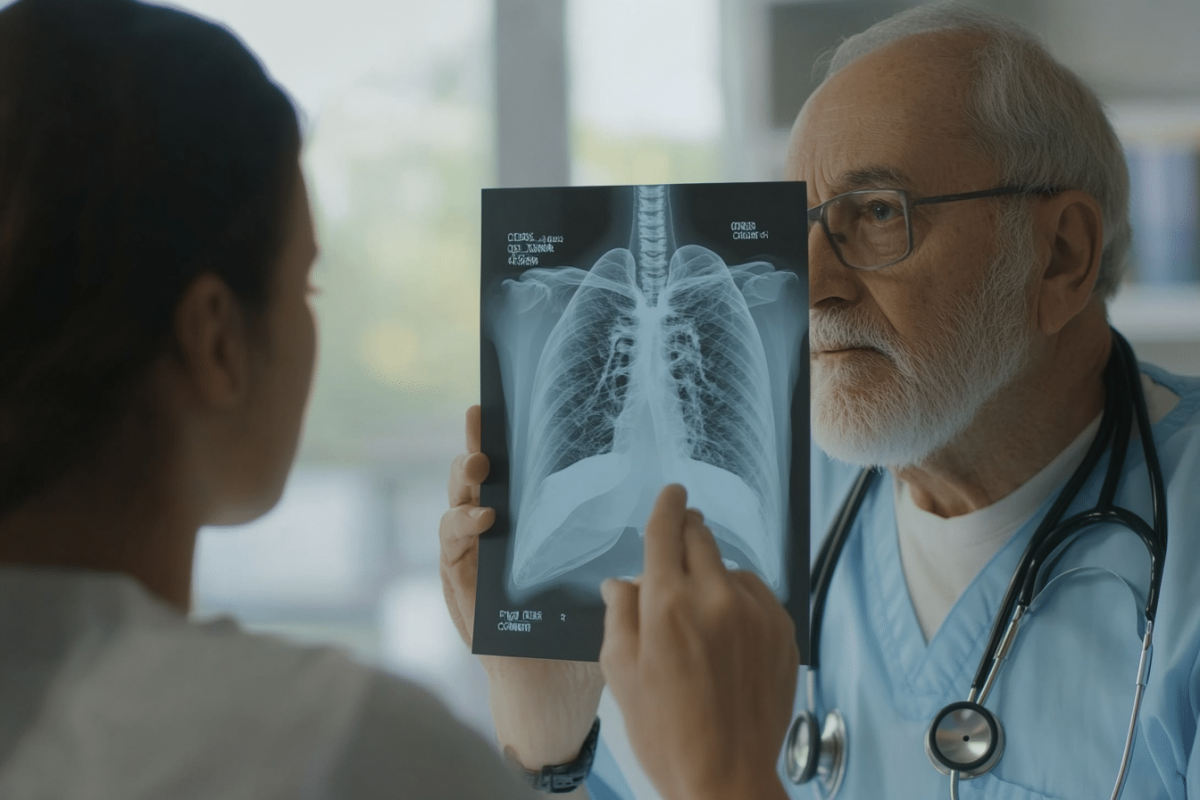
Respiratory physiotherapists play a key role in managing lung and respiratory conditions. Through a variety of specialized techniques, they help patients of all ages breathe better and improve their quality of life.
The essential role of respiratory physiotherapists
Respiratory physiotherapists are trained to treat a range of respiratory diseases, from infant bronchiolitis to chronic obstructive pulmonary disease (COPD). They work with both children and adults, using manual techniques and sometimes tools to help clear the airways and improve respiratory function.
Management of respiratory conditions
Physiotherapists are often involved in treating diseases such as chronic bronchitis emphysema, cystic fibrosis, and many others. They work closely with the treating physician pulmonologist to establish an appropriate treatment plan. During sessions, they assess the pulmonary function of patients and adapt exercises accordingly.
Focus on pulmonary pathologies
- Acute and chronic respiratory diseases such as pneumonia, asthma, and tuberculosis.
- Conditions requiring airway clearance to reduce excess mucus production.
- Conditions requiring rehabilitation to improve respiratory capacity.
The techniques used by respiratory physiotherapists
Sessions of respiratory physiotherapy involve several techniques aimed at improving respiratory function. Here are some commonly used methods.
Airway drainage
- Bronchial clearance through manual techniques such as clapping and rapid expiratory flow acceleration (REFA).
- Broncho-aspiration to remove secretions from the upper airways.
Manual clearance techniques
- Directed ventilation and manual vibrations to improve respiratory efficiency.
- Use of accessories to facilitate respiratory rehabilitation.
Specific management for children
Children, especially infants with bronchiolitis, require specific care. Sessions of pediatric respiratory physiotherapy are tailored to their age and condition, often using gentle techniques to clear the bronchi.
The role of the respiratory physiotherapist in bronchiolitis in infants
- Use of gentle clearing techniques to improve breathing.
- Collaboration with parents to teach effective methods at home.
Collaboration with the treating physician and pulmonologist
Respiratory physiotherapists work in close coordination with treating physicians and pulmonologists to ensure optimal care. They adapt techniques and intensify sessions based on medical recommendations. To learn more about physiotherapy practices, you can visit their site.
The importance of communication in managing respiratory diseases
Good communication between the patient and the physiotherapist is essential for adapting rehabilitation methods. This ensures personalized care and improves the quality of life of patients with COPD and other pulmonary conditions.