
At the edge of Lake Aiguebelette, the morning silence is sometimes broken by the hoarse cry of a heron or the discreet whistle of a warbler in the reeds. This Savoyard lake, classified as a Regional Nature Reserve since 2015, is home to a remarkable diversity of birds for those who know where and when to look. It is also necessary to adapt one’s habits to local conditions, as the lake’s microclimate changes from season to season and from one shore to another.
Microclimates of Lake Aiguebelette and Impact on Birdwatching
Have you ever noticed that the same lake can offer a sunny side and a misty side at the same time? At Aiguebelette, this reality is amplified by the proximity of the Chartreuse and Épine mountain ranges. Cold air currents descend from the reliefs towards the northern shores, while the southern shore captures more heat starting in spring.
This thermal imbalance modifies the availability of insects, the main food resource for passerines. On the warmer banks, insect hatches begin earlier in the season. Migratory birds prioritize these areas upon their return.
With more frequent drought episodes, this dynamic is reinforced. The Federation of Associations for the Protection of Lake Aiguebelette (F.A.P.L.A.) documented in its 2024-2025 ornithological monitoring a declining trend in migratory passerine populations, directly attributed to the scarcity of food resources due to lack of water. For an observer, this concretely means that the still-active wetlands become the best lookout points.
If you want to observe birds at Aiguebelette under good conditions, prioritize areas where the riparian vegetation remains dense and water levels stable, even at the end of summer.
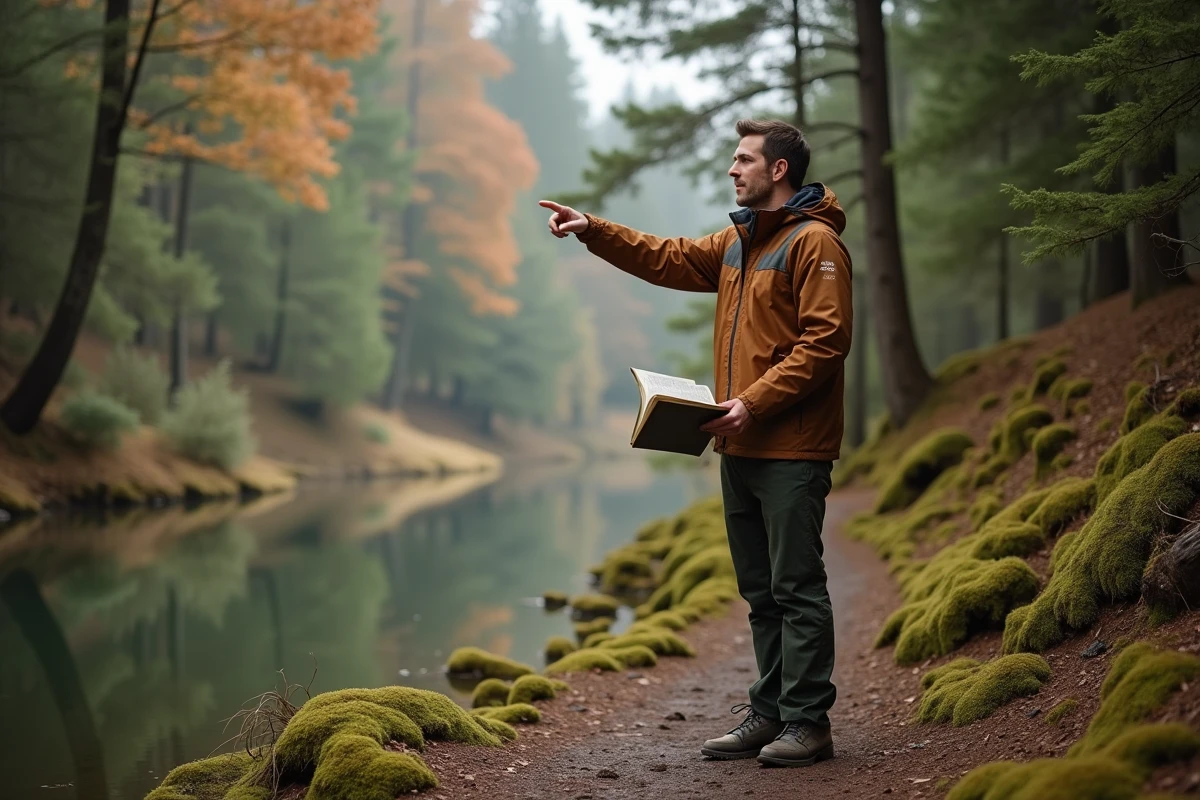
Species to Spot by Season at Lake Aiguebelette
Each time of year offers different observations. Rather than making an exhaustive list, let’s focus on the species that characterize the site and that an attentive visitor can actually identify.
Spring and Summer: Herons, Warblers, and a Recent Surprise
The grey heron is the emblematic bird of the lake, visible all year round. The 2025 annual report from LPO Auvergne-Rhône-Alpes notes a more unexpected finding: a significant increase in observations of cattle egrets since 2024. This species, historically associated with the agricultural plains of the south, is expanding its nesting sites into the wetlands of Aiguebelette.
In summer, warblers nest in the reed beds. They are easier to detect by their song than by sight. A practical tip: learn two or three songs before you come. The blackcap emits a series of fluted notes that accelerate, easy to memorize.
Autumn and Winter: Diving Ducks and Raptors
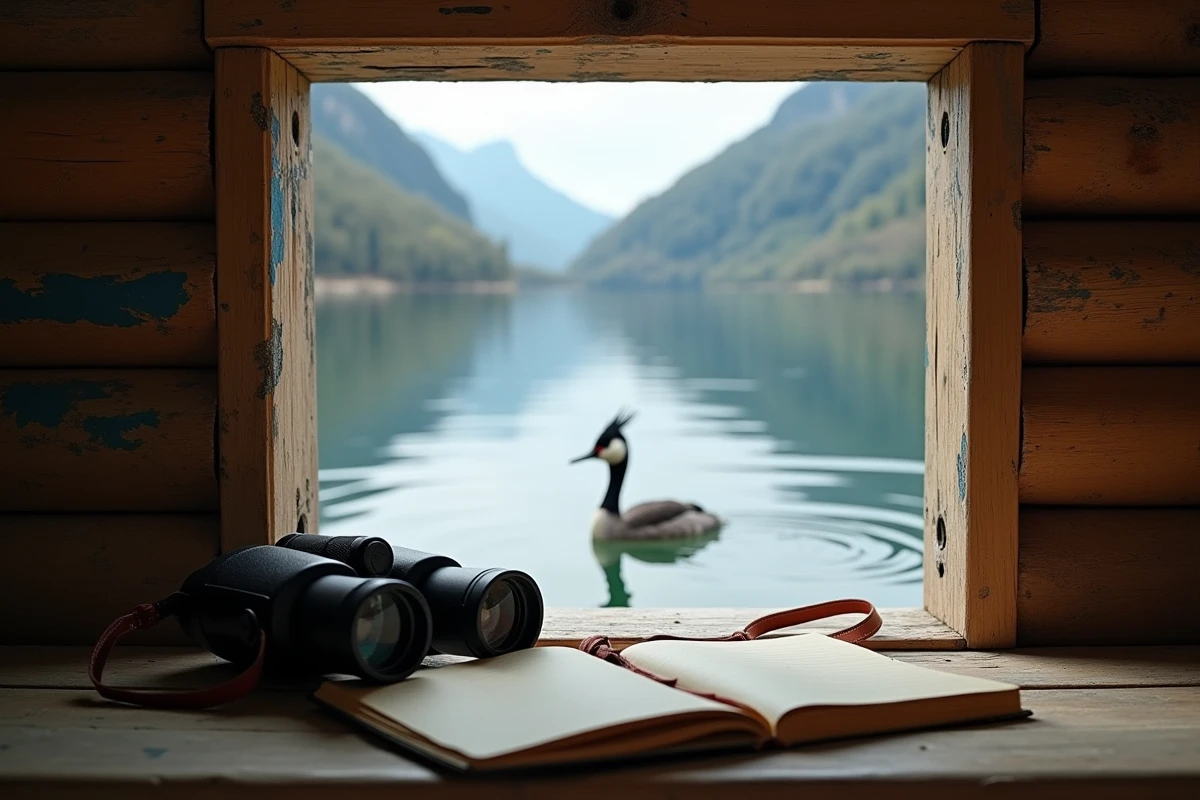
Starting in October, the lake welcomes wintering ducks. Tufted ducks and great crested grebes frequent the calm waters. Raptors (common buzzards, sometimes a sparrowhawk) soar over the clearings along the lake, taking advantage of the updrafts along the Épine mountain range.
Nocturnal Outings and Owl Observation at Aiguebelette
Observation does not stop at sunset. The Community of Communes of Lake Aiguebelette (CCLA) organizes guided nocturnal outings. These sessions allow for the detection of species that are invisible during the day, particularly owls.
According to the “Nature Aiguebelette” bulletin from the CCLA (April 2026), the detection of nocturnal raptors has increased by about 30% compared to daytime observations. The reason is simple: these birds are active at night and respond to the sound playback techniques used by guides.
For a successful nocturnal outing, here are the points to check:
- Wear dark and quiet clothing (no synthetic fabric that rustles), and bring several layers as temperatures drop quickly by the lake
- Use a red-filtered headlamp, which does not disturb the night vision of the birds or your own
- Stay grouped and follow the guide’s instructions, as the paths along the reed beds can be slippery
Regulations and Best Practices in the Regional Nature Reserve
The Regional Nature Reserve of Lake Aiguebelette imposes strict rules to protect nesting wildlife. Since January 2026, drones are prohibited for birdwatching within the reserve’s perimeter. The Savoie prefectural decree n°2026-12 aims to reduce disturbances to nesting pairs, a measure taken after repeated reports of nest abandonment.
Beyond the regulations, a few behaviors make the difference between a respectful observer and a visitor who, unintentionally, scares away the birds:
- Maintain a minimum distance from nests and resting areas, staying on marked paths
- Avoid sudden movements and loud conversations, especially at dawn when bird vocal activity is at its peak
- Do not feed the birds, even the ducks on the beach, as this alters their feeding behavior and makes them dependent
- Take your waste with you, including picnic leftovers that attract corvids and disrupt the local bird community
Suitable Equipment for the Aiguebelette Trails
A pair of 8×42 binoculars is sufficient for most observations along the lake. Higher magnifications (10x or 12x) make the image unstable without a tripod. For distant ducks on the water, a spotting scope on a tripod becomes useful, but it represents an investment that beginners can defer.
A field notebook, even a simple pad, remains more reliable than an app for quickly noting an observation. The phone screen dazzles in low light conditions and consumes time better spent watching.
Lake Aiguebelette remains one of the most accessible birdwatching sites in Savoie, provided one accepts that nature imposes its own schedule. Birds do not follow visiting hours or the expectations of photographers. The best advice can be summed up in one sentence: arrive early, stay quiet, and let the lake decide what it shows you.