In 2013, Constantine took an unexpected turn. The budgets allocated to culture not only increased: they reached a new level, opening up to contemporary creation well beyond the usual heritage projects. Public institutions quickly adapted, altering their programming to meet the growing appetite of residents for locally rooted initiatives and collaborative projects.
When the city donned the mantle of Arab Capital of Culture in 2015, it saw the emergence of new cultural spaces. Some, initially intended to last only a short time, continued on, buoyed by public support. This success prompted the municipality to rethink its approach: now, access to culture extends to many more neighborhoods, and the distribution of resources follows this new logic.
Why does culture shape the identity and development of Constantine?
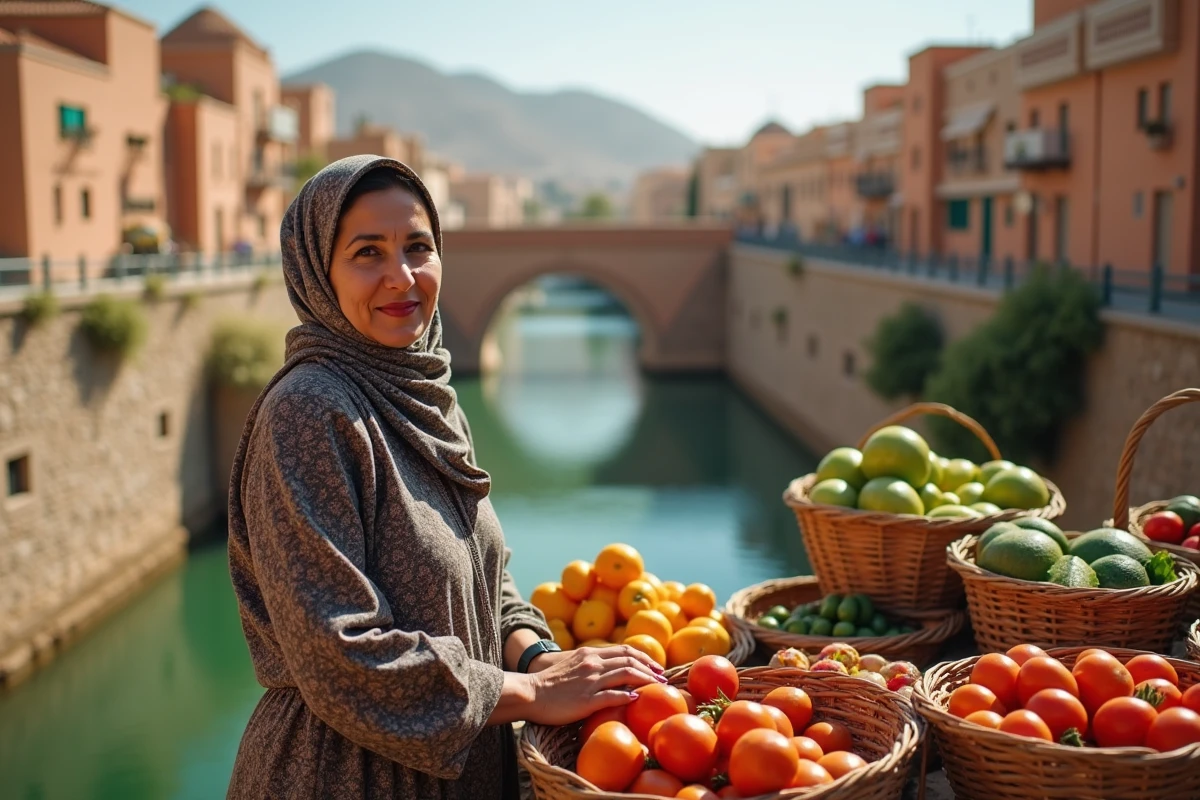
Culture permeates every corner of Constantine. It enters discussions, is displayed on walls, and slips into the notes of malouf and chaâbi. In neighborhoods like Souika, history intertwines with daily life: strong coffee is shared under the arches of Moorish cafés, and conviviality is woven through exchanges. The suspended bridges not only connect the banks: they connect generations to a living intangible heritage, nourished by the memory of the fondouks, those houses of hospitality and commerce that embody the spirit of the city.
What distinguishes Constantine is its tradition of cultural circles, places where speech, poetry, and music meet. The Sidi Lakhdar mosque, emblematic of religious heritage, engages daily with a vibrant and decidedly contemporary culture. Here, malouf does not merely exist: it is transmitted, evolves, and reinvents itself. This constant movement shapes the city’s identity, energizes local life, and stimulates creativity.
La Gazette de Constantine scrutinizes this effervescence and highlights the richness of cultural heritage as well as the creativity of citizen initiatives. The voices expressed here, whether discreet or resounding, remind us that the city of bridges is above all a place of encounters, exchanges, and transformations. Cirta, the ancient city, continues to reinvent itself, faithful to its history while opening up to new horizons.
Arab Capital of Culture 2015: a turning point for the local and urban scene
In 2015, the city of Constantine entered a new era. The designation as Arab Capital of Culture disrupted daily life: creations emerged everywhere, debates intensified, and the city vibrated like never before. Under the impetus of the wilaya of Constantine and the Ministry of Culture and Arts, artists, thinkers, architects, and residents all invested together in a collective adventure.
The programming, abundant, multiplied festivals, concerts, and performances in renovated or brand new venues. The Ahmed Bey performance hall, the Malek Haddad Palace of Culture, and other new spaces for the performing arts changed the face of downtown. In the squares, the diversity of cultural expressions exploded: songs from the Arab world, promotion of the M’Zab heritage, and strong nods to Palestine. The ambition is clear: to make Constantine shine and to remind it of its vocation for openness.
Some concrete examples illustrate this dynamic:
- Artists from across the Mediterranean invited to share the stage
- Animated debates on the preservation of cultural heritage
- Cultural urbanism projects led by engaged local actors
The event acts as a revealer. It exposes the tensions between tradition and modernity, questions the place of culture in the city, and awakens the expectations of a youth in search of new references. The Arab organization for culture makes it a symbol: Constantine must not only shine beyond its borders but also invent its own models, adapted to its history and aspirations.
Must-visit places to explore to grasp the cultural soul of Constantine
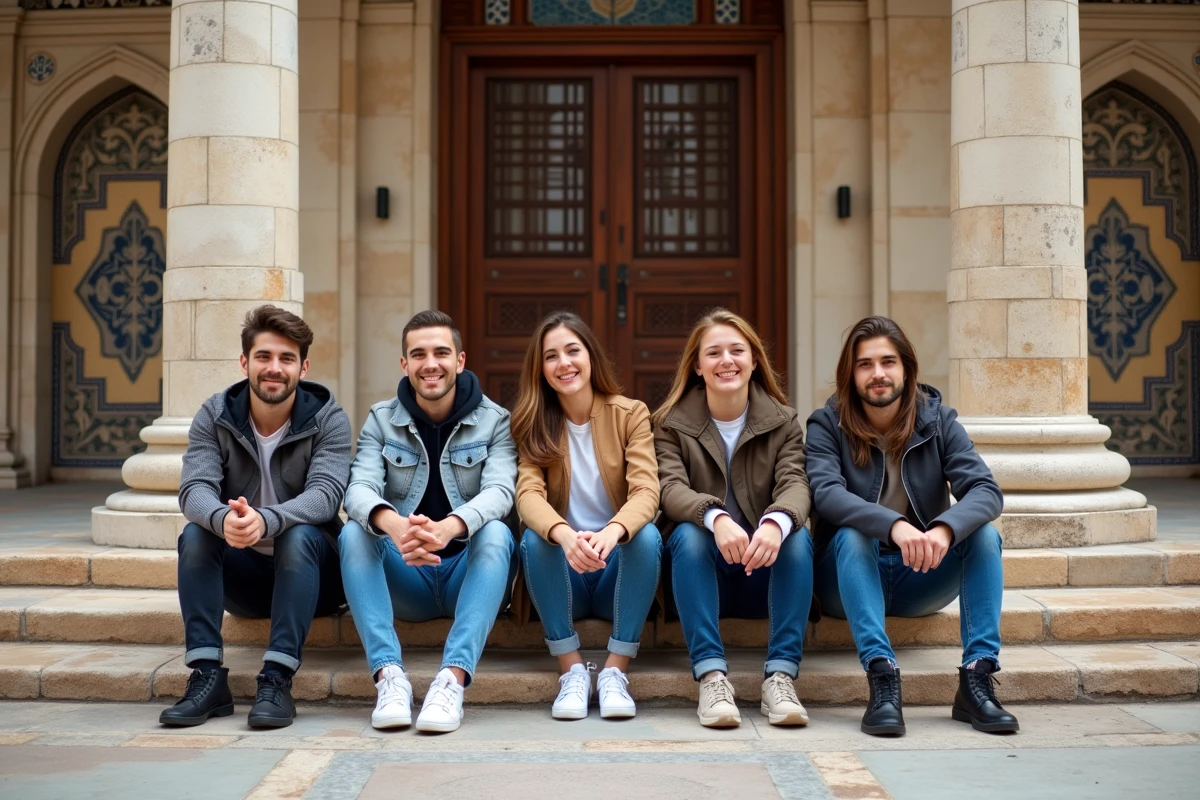
It is impossible to grasp Constantine without wandering through its downtown. On Zighoud Youcef Boulevard, the gaze inevitably falls on the Sidi Rached bridge, an icon of the city of suspended bridges. The streets Abdelhamid Ben Badis and the Boulevard of the Abyss wind between Haussmannian buildings, discreet bookstores, and Moorish cafés, true crossroads of local life.
To feel the heartbeat of the old city of Constantine, one must pass through the Camel Square and the Souika neighborhood. Here, the fondouks, witnesses of a mercantile past, now host cultural circles and art workshops. The tangible heritage evolves into a bubbling intangible heritage, where the airs of malouf and chaâbi continue to rhythm the collective memory.
The Cirta museum reveals traces of the ancient city of Cirta, while the Ahmed Bey Palace regularly hosts events celebrating traditional cultural expressions. Just a stone’s throw away, the Emir Abdelkader mosque impresses with its architecture and spiritual aura, weaving a subtle link between religious heritage and contemporary creation. This network of vibrant and rooted places demonstrates Constantine’s ability to make heritage and renewal dialogue.
Constantine is far from finished surprising us. The energy of its inhabitants, the creativity of its artists, and the vitality of its neighborhoods weave a narrative in motion. Through the bridges and alleys, the city writes a new chapter of its cultural history every day. Who would dare say that everything has already been told?